Missing a VAT deadline used to mean a single surcharge letter from HMRC, calculated as a rising percentage of whatever was late. Since January 2023,...
If you want to stay employable, you need more than theory. You need hands-on ability with accounting automation tools, plus structured training that teaches bookkeeping and VAT, advanced payroll, accounts assistant workflows, final accounts, and the analyst skills that sit on top of finance systems. If you also want a wider view of the market, this guide pairs well with this breakdown of how firms compare AI accounting software.
1. Xero
Xero is one of the strongest starting points for UK learners because employers know it, small practices use it heavily, and the workflow is easy to grasp quickly. If you want a path into bookkeeping, accounts assistant work, or junior finance roles in SMEs, learn Xero first.
Its value is simple. You can connect bank feeds, set bank rules, reconcile transactions, manage invoices, capture expenses, and handle VAT submission through an HMRC-recognised setup. In the UK, Making Tax Digital has created a compliance-based reason for firms to use this kind of software, not just a productivity reason, which is why Xero skills have become directly job-relevant (MTD and digital recordkeeping in the UK).
Why Xero helps you get hired
For entry-level roles, Xero gives you visible proof that you understand modern bookkeeping rather than manual ledger entry. Recruiters often look for people who can process transactions cleanly, reconcile bank activity, review VAT returns, and keep an audit trail. Xero puts those tasks in one place.
A good training route is to learn:
- Bank reconciliation workflows: Match, create, transfer, and investigate exceptions rather than just clicking OK.
- VAT processing: Understand digital VAT returns, coding logic, and what needs review before submission.
- Purchase and sales routines: Raise invoices, post bills, track payment status, and review aged balances.
If you’re new to the platform, this practical guide on how to use Xero accounting software is a solid place to start.
Practical rule: Don’t treat Xero as “just software”. Treat it as a workflow system for bookkeeping, VAT, and month-end review.
Xero also pairs well with tools like Dext Prepare and ApprovalMax. That matters because firms rarely use one platform alone. They want people who can work across the stack.
Use Xero UK if you want the safest first move into UK cloud accounting.
2. QuickBooks Online (UK)
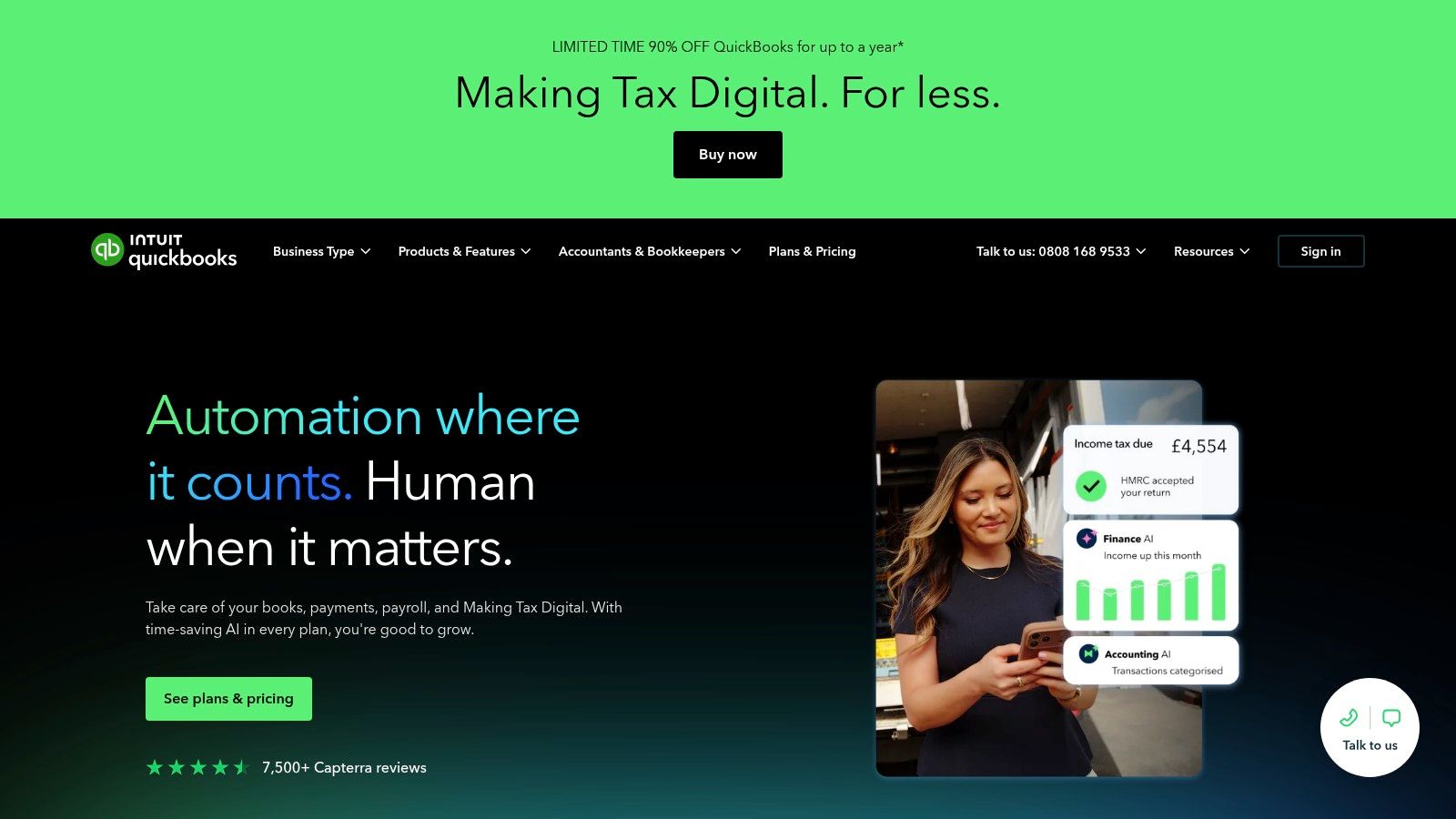
QuickBooks Online is the best pick if you want broad SME relevance and a platform that shows up often across small business finance teams. In practical terms, it sits in the same employability tier as Xero. Learn either one well and your CV gets stronger. Learn both and you become much more flexible.
QuickBooks handles recurring transactions, transaction rules, VAT workflows, reporting, and app integrations well. It’s especially useful for learners who want to see how bookkeeping feeds directly into reporting because the reporting side is accessible without being overwhelming.
Best fit for accounts assistant and small business finance roles
QuickBooks is strong for people targeting:
- Accounts assistant roles: Daily posting, supplier invoices, customer receipts, reconciliations, and support at month-end.
- Bookkeeping roles: Ongoing ledger maintenance, VAT checks, and routine reporting.
- Small business finance support: Multi-user access, role-based permissions, and cleaner collaboration with owners or managers.
UK cloud adoption continues to push firms towards automated bookkeeping, bank feeds, and real-time collaboration. That’s one reason candidates who can handle automated reconciliation, exception handling, and audit-trail controls stand out more than those limited to manual methods (cloud accounting adoption and workflow relevance).
If you’re weighing your first platform, this comparison of QuickBooks vs Xero vs Sage will help you decide based on the kind of role you want.
QuickBooks becomes even more useful when paired with Excel. That combination matters for anyone aiming to move from accounts assistant work into business analysis or data analysis. You start by extracting reports. Then you learn to clean, review, and interpret them.
Use QuickBooks Online UK if you want a strong all-rounder for bookkeeping, reporting, and SME employability.
3. Sage Accounting
Sage still carries serious weight in the UK. If your goal is to work in British SMEs, established businesses, payroll-linked finance teams, or roles where compliance confidence matters, Sage Accounting deserves your attention.
Many learners make a smart move by not stopping at one system. They train in Sage as well as Xero or QuickBooks, which makes them more useful to employers with mixed client portfolios or older internal processes.
Why Sage suits UK-focused training
Sage Accounting is built with UK business needs in mind. It supports MTD for VAT, UK bank connections, and links neatly into the wider Sage ecosystem, including payroll and AutoEntry. That makes it a practical platform for people studying bookkeeping and VAT, advanced payroll, and accounts assistant work together.
There’s another reason Sage matters. A lot of firms want staff who can bridge day-to-day processing and compliance. Sage fits that profile well because it feels closer to the operational reality of many UK finance teams.
Learn the basics properly through this guide on how to use Sage.
Sage is a good career move if you want to look employable in both practice and in-house finance.
Skills to build around Sage
- VAT workflow confidence: Keep records tidy, check coding, and understand the logic behind submissions.
- Payroll awareness: Sage links naturally to payroll-led workflows, which helps if you want broader office finance skills.
- Document processing: Sage plus AutoEntry is a common combination, so train for both if you can.
Sage is also a sensible route into final accounts training. Once you understand transaction posting and ledger quality, you’re in a better position to support adjustments, reviews, and accounts preparation.
Use Sage Accounting if you want a UK-centred platform with a strong path into payroll, bookkeeping, and compliance-heavy roles.
4. FreeAgent
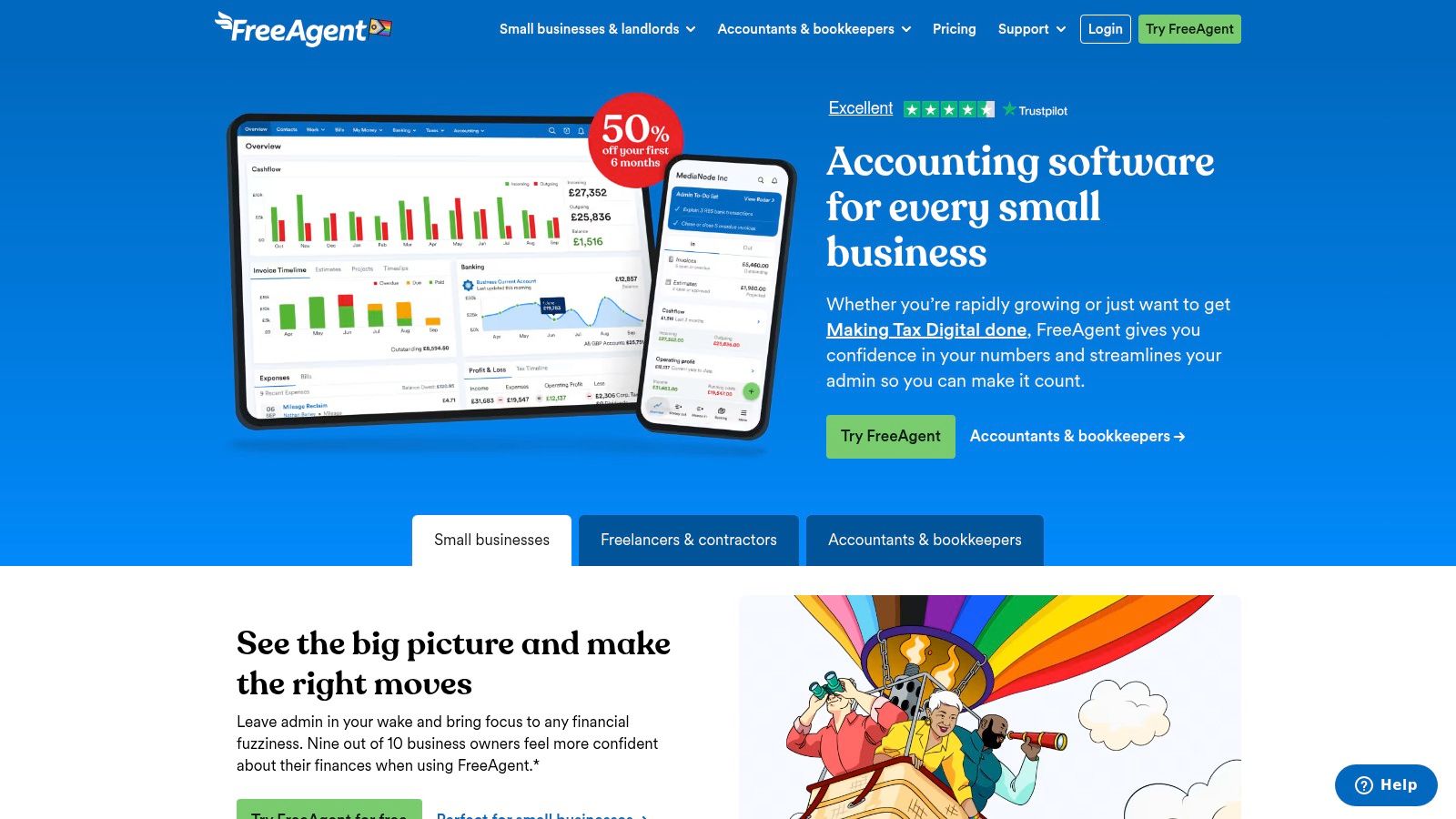
FreeAgent is the easiest tool on this list for many beginners to grasp. It’s especially good for sole traders, freelancers, landlords, and micro limited companies. If you’re training for entry-level bookkeeping support, or you want to understand how small UK businesses operate, FreeAgent is a smart practical choice.
Its strength is simplicity. You can manage invoicing, expenses, bank feeds, and MTD-compatible VAT filing without getting buried in setup. That makes it useful for trainees who need quick wins and clear workflows.
Where FreeAgent fits in a career plan
FreeAgent won’t usually be the platform that defines your whole career. It’s the platform that helps you build confidence fast. That matters if you’re a career changer, a recent graduate with little software exposure, or someone supporting very small businesses.
It teaches good habits:
- Digital recordkeeping
- Routine reconciliations
- Expense capture
- Basic VAT review before filing
Because it’s so approachable, FreeAgent works well in foundation training before you move into more complex systems. Learn FreeAgent, then step into Xero, Sage, or QuickBooks with less friction.
One caution. FreeAgent is less suited to larger finance teams or businesses with more formal approval structures. If you want to move into finance operations, management accounts, or analyst roles later, you’ll need broader software exposure.
Use FreeAgent if you want a clean, beginner-friendly way into UK bookkeeping and VAT processes.
5. Zoho Books (UK edition)
Zoho Books is a strong option for practical learners who care about value, automation, and system thinking. It doesn’t have the same UK accountant ecosystem as Xero, Sage, or QuickBooks, but it does give you useful exposure to workflows that matter in modern finance.
That makes it especially relevant for people who want to blend accounting with analytics. If your long-term goal is business analyst or data analyst work, Zoho Books can be a good stepping stone because it sits inside a wider connected ecosystem.
Best for budget-conscious learners with analyst ambitions
Zoho Books supports UK VAT workflows, direct MTD VAT filing for enrolled businesses, recurring transactions, workflow automation, and API-friendly integrations. That last point matters. Analyst-minded employers like people who understand how data moves between systems, not just how to enter transactions.
If you’re studying accounts plus analytics, Zoho Books helps you practise:
- Structured transaction processing
- Workflow logic
- Data exports and system integration thinking
- Client communication through portals and shared records
This is not the strongest first choice if you want a traditional UK practice job tomorrow. Xero, Sage, and QuickBooks still have more direct recognition. But it is a good secondary platform if you want broader commercial tech skills.
Learn one mainstream accounting system first. Then add a tool like Zoho Books if you want to signal adaptability and data confidence.
Use Zoho Books UK if you want affordable automation plus a route into more systems-focused work.
6. Dext Prepare
Dext Prepare is one of the most employable add-on tools you can learn for UK bookkeeping and practice work. If you’ve only trained on a ledger system and you’ve never handled document capture, supplier rules, or published entries from source documents, your training is incomplete.
Dext focuses on receipt and bill capture, data extraction, and pushing clean information into Xero, QuickBooks, or Sage. In real firms, that removes a big chunk of repetitive input work. But it doesn’t remove the need for judgment. Someone still needs to review coding, VAT treatment, and exceptions.
Why Dext matters for trainees
Significant employability advantages emerge. Many junior roles now involve review work rather than raw data entry. Dext helps you learn that shift early.
Train on these tasks:
- Review extracted data rather than trust it blindly
- Set supplier rules carefully
- Check VAT treatment line by line where needed
- Publish only after control checks
A common mistake is thinking automation means less accounting knowledge. It means the opposite. You need enough bookkeeping knowledge to catch what the tool gets wrong.
As noted earlier, automation doesn’t always save time in every process unless the workflow is redesigned properly. In many firms, the work moves from entry to exception handling and controls. That’s why Dext training is valuable. It teaches the review mindset.
Use Dext Prepare if you want to look useful to UK firms that process lots of invoices and receipts.
7. AutoEntry
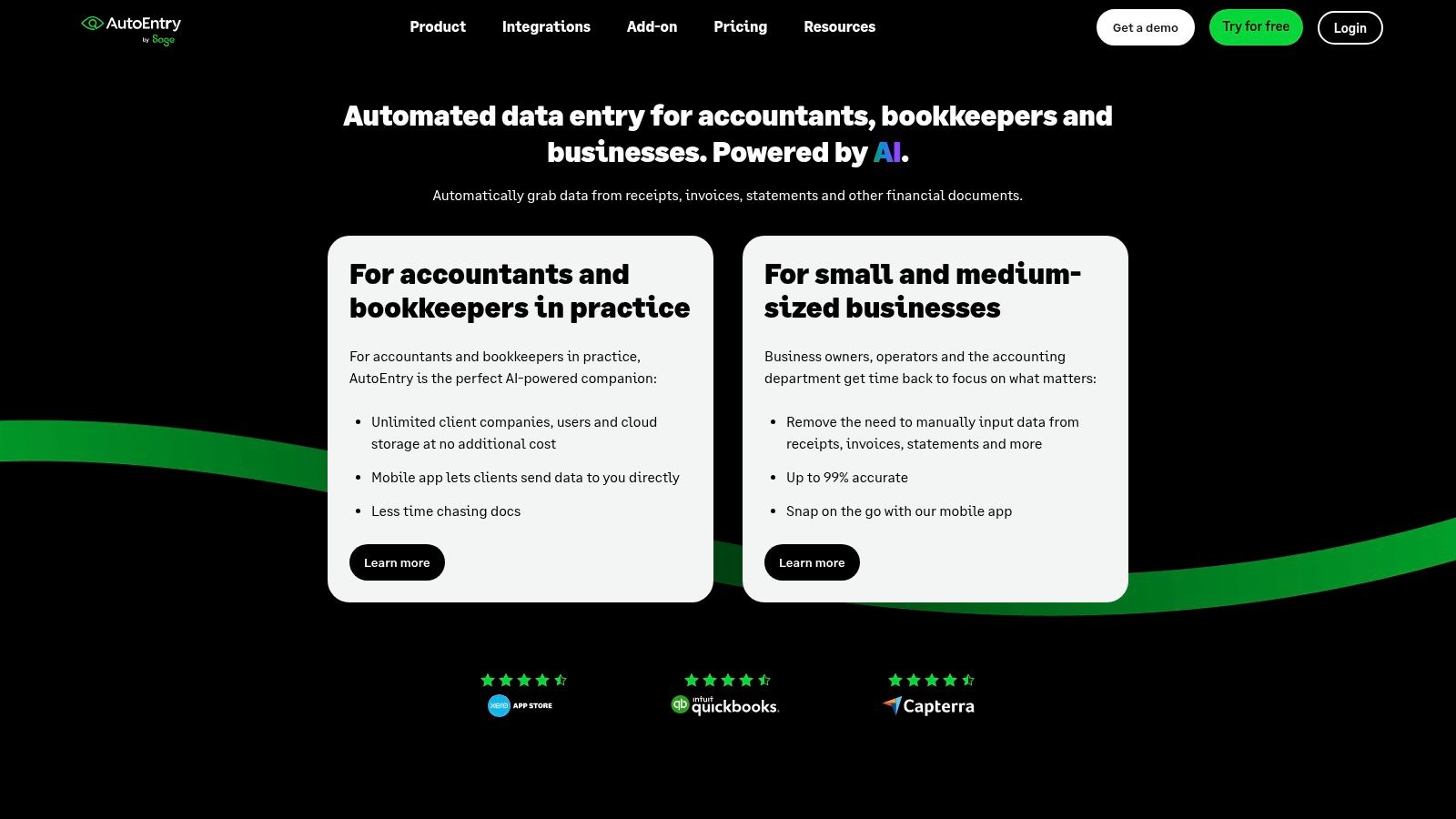
AutoEntry sits in the same broad category as Dext, but the feel is different. It’s popular with UK accountants, supports invoices, receipts, and statements, and integrates with Sage, Xero, and QuickBooks. If you want document automation experience without overcomplicating your setup, AutoEntry is a solid tool to learn.
Its credit-based model also makes it practical for training environments because you can understand cost control while learning the workflow. That’s useful if you plan to support a small firm or owner-managed business where software use needs to stay efficient.
Strong match for Sage learners and bookkeeping trainees
AutoEntry is particularly relevant if you’re already learning Sage. The connection feels natural, and that helps you build a more realistic skills profile for UK practice work. But it’s also useful with Xero and QuickBooks, so it doesn’t trap you in one ecosystem.
The most valuable skills here are not flashy:
- Reading source documents properly
- Checking extraction quality
- Managing statement imports
- Spotting posting errors before they hit the ledger
Those are the habits that make a good accounts assistant. They also support later progression into final accounts work because clean source processing creates cleaner ledgers.
If you’re studying bookkeeping and VAT, don’t separate software from process. Train on the full chain from document capture to ledger review to VAT check. That’s how firms operate.
Use AutoEntry if you want practical document automation skills, especially alongside Sage training.
8. ApprovalMax
ApprovalMax is where your profile starts to look more operational and more senior. It isn’t a bookkeeping platform. It’s a control layer for approvals, purchase orders, spend governance, and audit trails, usually connected to Xero or QuickBooks Online.
If you want to move beyond basic processing and into finance operations, AP control, or roles with more responsibility, ApprovalMax is worth learning. Employers value people who understand segregation of duties and approval discipline.
Why control skills raise your value
A lot of candidates can post a bill. Fewer can explain how that bill should be approved, who should see it, what the audit trail should show, and how to stop unauthorised spend. That’s where ApprovalMax earns its place.
This tool helps you build:
- Approval workflow awareness
- Policy and control thinking
- Purchase-to-bill process knowledge
- Audit trail discipline
Another underserved question in the UK is how automation affects employability. The practical answer is that tools like this tend to reward people who can investigate anomalies, reconcile systems, and explain outputs, rather than people who only know how to click through software (automation and UK job readiness).
If you want faster career progression, learn controls early. Firms trust people who understand approvals.
Use ApprovalMax if you want to strengthen your CV for finance operations, purchase ledger control, and process-led roles.
9. Tipalti
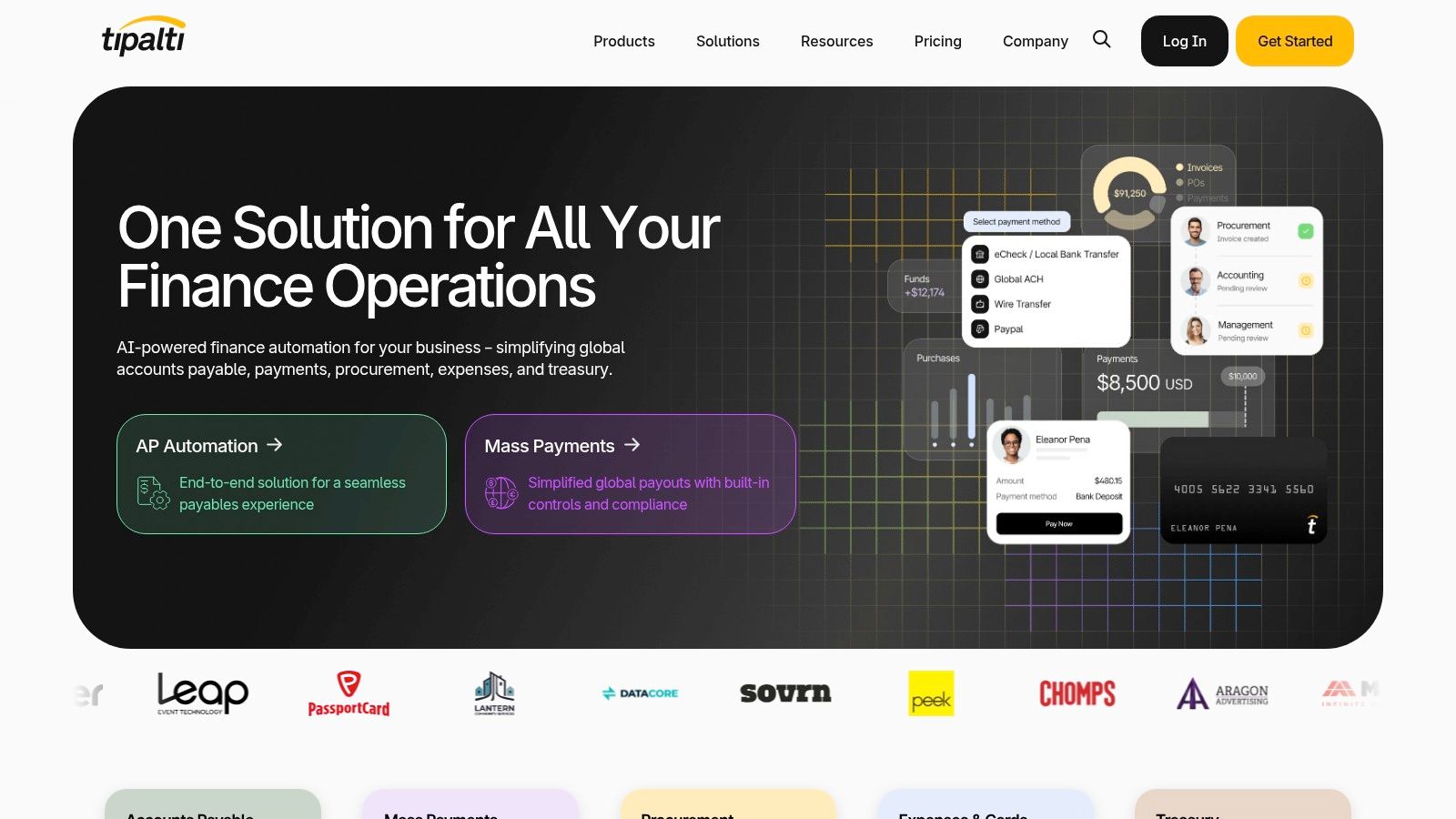
Tipalti is not for beginners. It’s for people aiming at mid-market or enterprise finance, especially accounts payable, supplier onboarding, tax-related workflow support, and multi-entity operations.
That matters because not every accounting career ends in a local SME. Some learners want to move into larger organisations where process scale, controls, supplier management, and payment operations matter more than day-to-day bookkeeping.
Best for AP specialists and finance operations careers
Tipalti covers supplier onboarding, invoice capture, approvals, tax and compliance workflows, mass payments, and reconciliation support. If that sounds more like finance operations than classic bookkeeping, that’s because it is.
This makes Tipalti relevant for:
- Accounts payable specialists
- Finance operations analysts
- Process improvement roles
- Business analysts working with finance systems
The key lesson here is specialisation. Once you’ve built a base in bookkeeping, VAT, and ledger control, you can move into a system like Tipalti and become valuable in a narrower but often stronger-paid career track.
You don’t need Tipalti first. You need it after you understand the basics of purchase processing, approvals, supplier records, and reconciliation.
Use Tipalti if you’re targeting larger finance teams and want to specialise in AP automation and controls.
10. Pleo
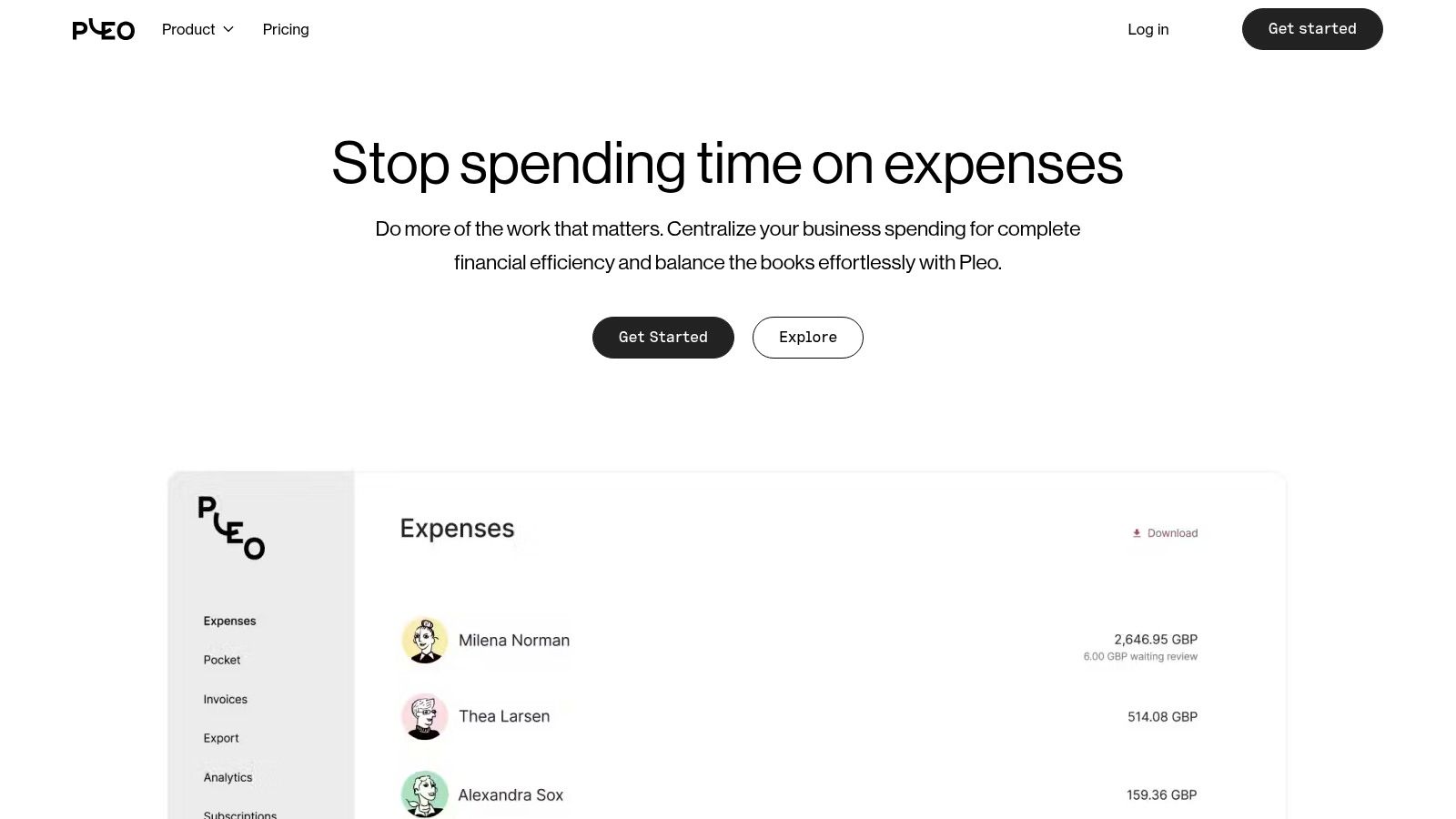
Pleo is one of the most practical tools for modern SME finance teams because it solves a daily headache. Staff spend money. Receipts go missing. Finance chases. Month-end gets messy. Pleo shortens that loop.
It combines company cards, receipt capture, expense coding, reimbursements, and approval flows, with integrations into Xero, QuickBooks, and Sage. For employability, that gives you experience in spend control rather than just bookkeeping.
A useful bridge into analyst and operations work
Pleo is a good tool for learners who want to move towards finance analyst, operations analyst, or management reporting support roles. Why? Because spend data becomes cleaner and faster to review when the workflow is set up properly.
That means you can practise:
- Expense policy enforcement
- Coding accuracy
- Reviewing employee spend behaviour
- Producing cleaner reports from live systems
This tool also teaches an important real-world lesson. Automation works best when users cooperate with the process. If staff don’t upload receipts or code things properly, the system still needs human follow-up.
That’s why training matters. Software alone doesn’t make you job-ready. Structured training gives you the accounting logic, control mindset, and confidence to use tools like Pleo properly inside a finance team.
Use Pleo if you want experience in expenses, card controls, and practical SME finance operations.
Top 10 Accounting Automation Tools Comparison
| Product | Core features | Ease & employability ★ | Value & pricing 💰 | Target audience 👥 | Unique selling point ✨/🏆 |
|---|---|---|---|---|---|
| Xero | MTD VAT, bank feeds, doc capture, bank rules, add‑ons | ★★★★ Employers familiar; clean UI | 💰 Mid (tier upgrades) | 👥 UK SMEs, accounting practices, trainees | 🏆 Strong UK ecosystem & broad app integrations |
| QuickBooks Online (UK) | MTD VAT, automation rules, recurring txns, reporting | ★★★★ Widely used; solid reporting | 💰 Mid‑high (tiered features) | 👥 Sole traders → mid‑SMEs; trainees | ✨ Robust reporting, large app marketplace |
| Sage Accounting | MTD VAT, Sage Copilot AI, payroll, AutoEntry native | ★★★ UK‑centric compliance; familiar to firms | 💰 Mid (adds value with payroll) | 👥 British SMEs & Sage stack users | 🏆 Deep HMRC alignment + Copilot assistance |
| FreeAgent | MTD VAT, invoicing, bank feeds, Smart Capture | ★★★★ Very easy to learn; quick wins | 💰 Low‑mid; partner/bank discounts | 👥 Sole traders, freelancers, micro‑companies | ✨ Fast onboarding for new entrants |
| Zoho Books (UK) | MTD VAT, workflow automation, API, client portal | ★★★ Good automation; smaller UK accountant base | 💰 Low; free tier for micro businesses | 👥 Micro/small budget‑focused users | ✨ Best value inside Zoho ecosystem |
| Dext Prepare | AI extraction, supplier rules, publish to GLs | ★★★★ De‑facto capture tool; speeds review | 💰 Mid; volume impacts cost | 👥 UK practices with high capture volumes | 🏆 Market standard for receipt/bill capture |
| AutoEntry | Line‑item extraction, Xero/Sage/QBO integrations, credits | ★★★ Clear per‑credit model; scalable for training | 💰 Pay‑per‑credit (transparent) | 👥 Accountants & SMEs needing capture | ✨ Transparent credit pricing; Sage synergy |
| ApprovalMax | Multi‑step approvals, PO‑to‑bill matching, audit trail | ★★★ Improves controls; valued by employers | 💰 Add‑on subscription; variable | 👥 Control‑focused finance teams | 🏆 Strong segregation of duties & auditability |
| Tipalti | Supplier onboarding, matching, global payments & FX | ★★★ Industrial‑grade controls; complex setup | 💰 High; bespoke pricing | 👥 Mid‑market & enterprise payables | 🏆 End‑to‑end global AP & payments at scale |
| Pleo | Physical & virtual cards, OCR expense capture, AP module | ★★★★ Fast to deploy; reduces month‑end work | 💰 Per‑user tiers; processing fees possible | 👥 Startups & SMEs with card spend | ✨ Cards + automated expense workflows & cashback |
Take the Next Step in Your Accounting Career
Accounting automation tools are no longer optional extras in the UK job market. They sit inside normal finance work now. That’s especially true because digital recordkeeping and software-based tax processes have become part of the compliance environment, not just a way to save time. If you’re still thinking of automation as a bonus skill, you’re already behind.
The best move is to match the tool to the career path. If you want bookkeeping and VAT work, start with Xero, QuickBooks, Sage, or FreeAgent. If you want stronger document handling skills, add Dext Prepare or AutoEntry. If you want to move into finance operations and controls, learn ApprovalMax, Pleo, or Tipalti. If you want to bridge finance and systems, Zoho Books can help widen your perspective.
What employers want is clear. They need people who can work in cloud systems, keep digital records clean, review automated outputs, handle exceptions, and explain what happened. They don’t just want someone who can post an invoice. They want someone who understands the process around the invoice.
That’s why structured training matters so much. Random software exposure isn’t enough. You need guided practice in bookkeeping and VAT, advanced payroll, accounts assistant tasks, final accounts support, and the analyst skills that sit on top of financial data. You also need to understand how tools connect to each other, because real finance teams rarely work in one system only.
There’s also a wider career point. Automation doesn’t remove the need for people. It changes the kind of work people do. Strong candidates now spend less time on raw entry and more time on reviewing transactions, investigating anomalies, checking controls, supporting compliance, and turning finance data into usable business insight. That’s a much better career path than repetitive manual processing.
If you’re planning your next move, be deliberate. Pick one core ledger platform. Build confidence in VAT and reconciliations. Add one document automation tool. Then strengthen your profile with Excel, reporting, and control workflows. That combination gives you a real edge in UK hiring.
For a broader view on how strong accounting support helps businesses operate better, this article on Action Accountants’ business insights is worth a read.
Professional Careers Training helps you build job-ready skills that employers seek. You can train in Bookkeeping, Payroll, Xero, Sage, QuickBooks, Excel, SQL, Python, and Power BI through Professional Careers Training with one-to-one support from ACCA qualified Chartered Accountants and CPD approved trainers, flexible evening and weekend study options, official software certification, and practical recruitment help including CV preparation, LinkedIn optimisation, career coaching, and employer referrals.