

LinkedIn allows 220 characters in the headline field. That small space does two jobs at once. It helps your profile appear in recruiter searches, and...
That’s exactly why so many people are rethinking what a good job looks like. In the UK, flexibility now matters as much as pay for many workers. One UK summary reports that 83% of employees say work-life balance is one of their top job priorities, slightly higher than the 82% who prioritise salary, which helps explain why flexible professional roles have become so attractive in this UK work-life balance roundup. If you want one of the best work life balance jobs, finance, accounting and data are strong places to look.
These fields aren’t just about spreadsheets and reports. They’re full of roles built around cloud software, repeatable processes, project work and remote collaboration. That makes them far more flexible than many customer-facing or shift-based jobs. If you’re changing career, start with Access Courses Online for career changes, then use the list below to choose a path that fits your life.
1. Virtual Bookkeeper
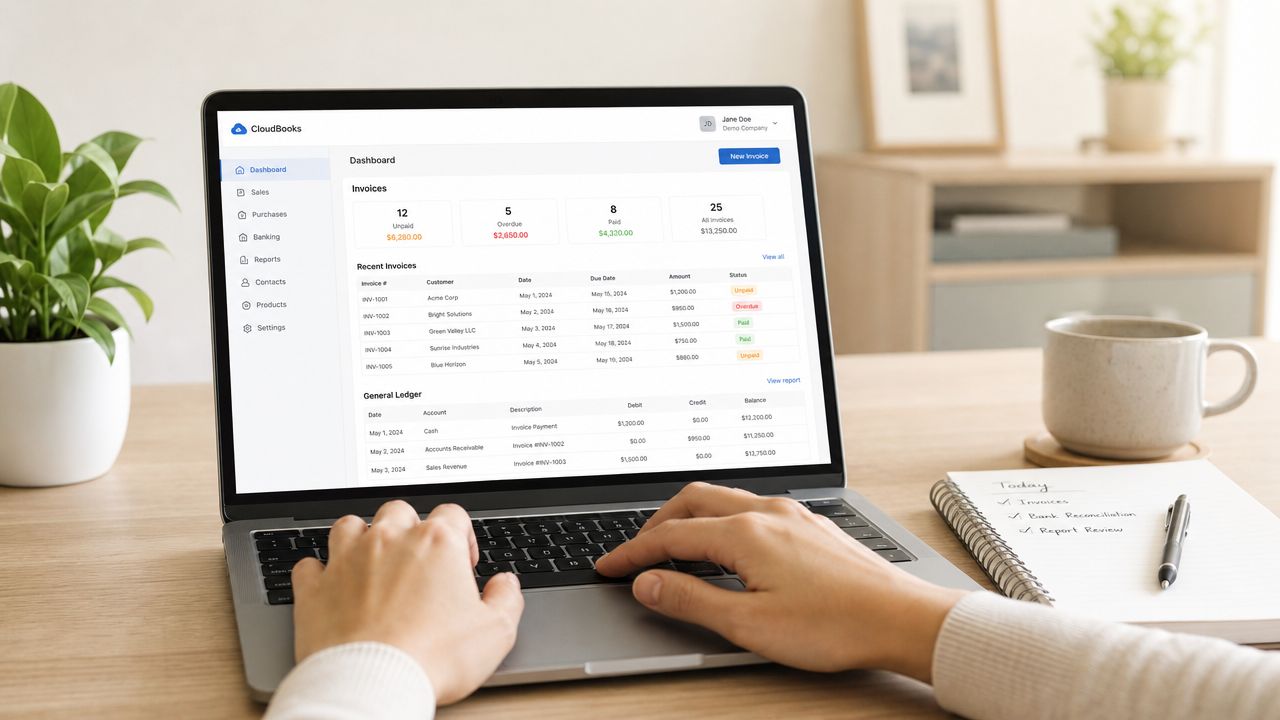
Virtual bookkeeping is one of the clearest routes into flexible work. You manage sales invoices, purchase records, bank reconciliations, VAT entries and month-end tasks for clients without sitting in their office. Most of the work happens through cloud platforms such as Xero, QuickBooks and Sage.
That setup gives you real control. You can work with one employer, support several small businesses, or build a part-time client base around family life. It’s especially good for career changers because the work is practical, structured and easy to explain on a CV.
Training that gets you hired
Start with the software employers ask for. Sage, Xero and QuickBooks matter because they’re used every day in small firms and outsourced finance teams. If you’re unsure where to begin, this guide to bookkeeper qualifications in the UK gives you a clear route.
A strong beginner pathway usually includes:
- Bookkeeping basics: Double-entry, ledgers, trial balance and reconciliations
- VAT skills: Returns, digital records and common mistakes to avoid
- Cloud software practice: Xero, Sage and QuickBooks with live examples
- Excel confidence: Sorting, formulas, bank analysis and error checks
Practical rule: If you want bookkeeping to improve your life, don’t build a job that keeps you permanently “on call” for clients. Set service hours from the start.
A realistic first step is supporting a local trades business, consultant or online seller with weekly bookkeeping and monthly reporting. That kind of work is steady, repeatable and often easier to fit around your life than a traditional office role.
2. Financial Analyst (Part-Time or Flexible)
Financial analyst sounds corporate, but the day-to-day work is often calmer and more structured than people expect. You review business performance, compare budgets to actuals, track trends and turn numbers into recommendations. In the right company, that can be done on a part-time, hybrid or flexible-hours basis.
This role suits people who like commercial thinking more than pure accounting. If you enjoy asking why costs moved, why revenue dipped, or which product line is strongest, this is a strong option. It can also lead into finance business partnering or planning roles later.
What to learn first
Excel is still the base skill. After that, Power BI and SQL make you much more useful because they help you handle bigger datasets and produce cleaner reporting. If you want a sharper sense of employer expectations, these financial analyst skills needed are worth reviewing before you apply.
Your training stack should be practical:
- Advanced Excel: Pivot tables, lookups, scenario work and dashboards
- Power BI: Visual reporting for non-finance managers
- SQL basics: Pulling and filtering data without waiting on someone else
- Financial reporting: Variance analysis, forecasting and commentary writing
The best employers for balance are usually the ones with mature reporting cycles, clear deadlines and decent systems. If a finance team still relies on last-minute manual reporting every week, your evenings won’t stay protected for long.
3. Freelance Tax Consultant
If you want autonomy more than employment benefits, freelance tax work deserves a serious look. You can help sole traders, landlords, contractors and small companies with returns, planning and compliance, then shape your workload around peak periods and quieter months.
This path isn’t the easiest one on the list, but it can create excellent control over your calendar once you’re established. You decide who you work with, what services you offer and when you take on new clients. That’s a major advantage if you want one of the best work life balance jobs without giving up skilled work.
Where balance can go wrong
Tax has deadlines. Some clients are disorganised. Peak periods can get intense. The fix is to build systems early and avoid becoming the person who rescues every late filer at short notice.
A better freelance model includes:
- Recurring clients: Ongoing advisory or annual return work you can plan for
- Defined services: Clear boundaries on what’s included
- Template workflows: Standard steps for common tax jobs
- Software fluency: Fast work in modern accounting and tax tools
A tax career can feel flexible on paper and exhausting in practice if every client emergency becomes your emergency.
To move into this role, start with a bookkeeping or accounts background, then add tax training. ACCA or CTA study can strengthen credibility, but hands-on compliance skills matter just as much when you’re serving small business clients.
4. Business Analyst (Hybrid or Remote)
Business analysts solve messy operational problems. One week you might map an invoicing process. The next, you could gather requirements for a payroll system, review reporting gaps or help a team redesign workflows that waste time. That mix makes the job interesting, but its main appeal is how often it fits hybrid work.
Many tasks happen in workshops, documentation, data review and stakeholder meetings. That means you don’t need to be on-site all the time. For people who want flexibility with a strong career path, business analysis is one of the smartest options in the UK market.
Best training route for beginners
You don’t need to become highly technical on day one. Start by learning how businesses work, how requirements are written and how processes are improved. Then add data skills.
This guide on how to become a business analyst is a useful starting point if you’re coming from administration, finance or customer operations.
Focus on these areas:
- Requirements gathering: Interviews, workshops and documentation
- Process mapping: Current state, future state and bottleneck spotting
- Excel and Power BI: Turning process issues into visible evidence
- SQL basics: Useful when business analysis overlaps with reporting
- Professional certification: BCS or IIBA paths can help with credibility
A strong real-world route is moving from accounts assistant, payroll, operations admin or finance support into projects. If you already understand how a business process works, you’re closer to business analysis than you think.
5. Data Analyst (Remote-First)
Data analysis is one of the strongest modern answers to the work-life balance problem. The work is task-based, tool-driven and usually measured by outputs rather than desk time. In the UK, digital and analytical jobs are among the most remote-compatible occupations, and data roles often benefit from that structure, as explained in this overview of jobs with strong work-life balance in analytical fields.
That matters because fewer interruptions usually means better control over your day. If your work is built around SQL queries, dashboard updates and reporting projects, you can often plan your time far better than someone in a reactive operations role.
Skills that matter most
Skip the idea that you need to master everything. Start with SQL, Excel and Power BI. Those three tools open a lot of entry-level and mid-level analyst roles. Python helps later, especially for automation and deeper analysis.
A smart training plan looks like this:
- SQL first: Filtering, joins, grouping and query logic
- Excel second: Cleaning data and checking outputs
- Power BI next: Dashboards, visuals and business storytelling
- Python later: Useful when your reporting becomes more advanced
If you’re aiming at a remote-first employer, show your work clearly. Build a small portfolio with dashboards, reporting samples and short write-ups that explain what the data means.
Here’s a useful overview if you want to see how people describe the role in practice.
The best candidates don’t just present charts. They explain decisions. A hiring manager wants to know whether you can spot a problem, structure the analysis and communicate it clearly.
6. Management Accountant (Flexible Hours)
Management accounting can offer a better lifestyle than many people expect. You’re usually supporting internal decisions rather than serving external clients all day. The work often follows monthly cycles, budgeting timetables and reporting deadlines, which makes it easier to predict busy periods.
This role suits people who want more responsibility than bookkeeping but don’t want the constant unpredictability of some commercial finance jobs. You’ll work on budgets, cost analysis, performance reporting and planning. In the right business, that can fit flexible hours or a compressed working week.
Good employers stand out
Not every management accounting role is balanced. Some teams run lean and throw extra work at month-end. Others have proper systems, realistic timelines and managers who respect working hours. Ask direct questions before you accept an offer.
Use interviews to test the role:
- Month-end workload: Ask when late evenings are most common
- Systems: Sage, ERP platforms and reporting tools reduce manual chaos
- Team structure: A proper team spreads pressure better
- Flexibility policy: Check whether it works in practice, not just on paper
For training, CIMA and ACCA are strong long-term choices. In the short term, Advanced Excel, Sage and final accounts knowledge will make you more effective much faster.
7. Payroll Administrator (Part-Time or Flexible)
Payroll is one of the most underrated flexible careers in finance. It’s deadline-driven, but the deadlines are usually known in advance. That creates a rhythm many people find easier to manage than jobs with constant incoming requests.
If you want stable, practical work with room for part-time hours, payroll is a smart option. It’s especially good for detail-focused people who like rules, systems and accuracy. You’ll handle pay runs, deductions, PAYE tasks, pensions, starters, leavers and reporting.
Why payroll works well for balance
Payroll teams often operate around weekly or monthly schedules. That gives structure to your workload. It also makes job-sharing and part-time patterns more realistic than in many finance roles.
The UK also offers employees increased opportunity to ask for flexibility. Flexible working is now a legal right to request from day one in Great Britain, but workload still matters, as discussed in this Coursera article on work-life balance jobs. In payroll, the clearest route to balance is joining a team with standardised processes and clear payroll calendars.
Key takeaway: Choose a payroll role with documented processes, not one that depends on one overworked person holding everything together.
To train for this path, learn Sage Payroll or similar systems, build confidence with payroll legislation and improve your Excel reporting skills. Advanced payroll training is especially useful if you want to move from admin into a specialist role.
8. Grant Writer or Financial Coordinator (Nonprofit Sector)
Some people want balance and meaning. This role can give you both. In charities, community organisations and nonprofits, grant writers and financial coordinators help secure funding, track budgets and support reporting for funded projects.
The pace can be gentler than in commercial environments, especially in organisations with clear funding cycles and realistic expectations. The work still matters, but it often comes with a stronger culture around purpose, flexibility and wellbeing.
A practical way in
This route works well if you already have accounts assistant, bookkeeping or finance administration experience. Add strong writing, budgeting and reporting skills, and you become useful quickly.
Roles vary, but your work may include:
- Grant budgets: Costing projects clearly and accurately
- Financial monitoring: Tracking spend against funding agreements
- Narrative support: Helping teams explain results to funders
- Spreadsheet reporting: Clear, auditable financial summaries
This path also avoids a common trap in work-life balance advice. Some jobs look flexible because they’re part-time, but low pay can create stress instead of reducing it. UK commentary has pointed out that part-time roles are disproportionately common in lower-paid occupations, which is why sustainable balance matters more than flexibility alone in this discussion of women seeking work-life balance. Aim for nonprofit roles that combine flexibility with stable income and clear responsibility.
9. Finance Trainer or Educational Content Creator
If you know accounting software well and enjoy explaining things, training can become a flexible and rewarding career. You might teach Sage, Xero, bookkeeping basics, payroll, VAT, Excel or Power BI to learners, small businesses or junior staff.
This role fits people who want more control over their time and less routine month-end pressure. You can work with training providers, deliver workshops for employers, create online learning content or mix all three. It’s one of the best work life balance jobs for professionals who want portfolio work rather than one fixed role.

How to become credible fast
You need two things. Real software skill and clear teaching ability. A trainer who can explain VAT returns in Sage or show a beginner how to build a Power BI dashboard is valuable because the training is practical, not abstract.
Build your profile with:
- Recognised software certifications: Sage, Xero, QuickBooks
- Short teaching samples: Recorded tutorials or workshop clips
- Structured course materials: Slide decks, exercises and handouts
- LinkedIn visibility: Clear examples of what you teach
A simple starting point is delivering beginner sessions for bookkeeping, payroll or Excel users. Many learners don’t need theory-heavy lessons. They need someone who can show them exactly what to click, what to check and how to avoid common mistakes.
10. Senior Accountant (Compressed or Remote Hours)
Senior accounting roles can offer strong balance if you choose the right employer and the right specialism. You’ll review work, support juniors, handle more complex accounts and often take ownership of reporting quality. That sounds demanding, and it is, but seniority can also give you more control over how work gets done.
This path makes sense once you’ve built experience in bookkeeping, accounts preparation, payroll or management accounts. Senior accountants are often trusted to work independently, which can open the door to hybrid schedules, remote days or compressed hours.
Choose structure over prestige
A famous employer doesn’t always mean better balance. Some of the healthiest senior roles sit in well-run firms and businesses with clear processes, strong finance systems and realistic expectations.
For this level, build depth in:
- Final accounts: Adjustments, accruals, prepayments and review work
- Advanced Excel: Faster analysis and cleaner files
- Software range: Sage, Xero, QuickBooks and reporting tools
- Professional qualifications: ACCA or ACA can widen your options
The UK labour market has seen remote and hybrid work become a major differentiator. In 2020, around 37% of UK workers had ever worked from home according to the Office for National Statistics summary cited in this UK work-life balance statistics page. Senior accounting and software-based professional roles have benefited from that shift because so much of the work can now be handled through cloud systems and digital collaboration.
Top 10 Finance Jobs: Work-Life Balance Comparison
| Role | 🔄 Implementation Complexity | ⚡ Resource Requirements | ⭐ Expected Outcomes | 📊 Ideal Use Cases | 💡 Key Advantages |
|---|---|---|---|---|---|
| Virtual Bookkeeper | Low–Medium: routine processes using cloud tools | Cloud accounting (Xero/QuickBooks/Sage), basic certifications, client management | Accurate records and steady portfolio income ⭐⭐⭐ | Small businesses/startups needing remote bookkeeping | High flexibility and low overhead; get Xero/QuickBooks certs 💡 |
| Financial Analyst (Part-Time/Flexible) | Medium–High: analytical and reporting complexity | Excel, SQL, Power BI, domain knowledge, corporate systems | Actionable forecasts and strategic insights ⭐⭐⭐⭐ | Corporates needing forecasting, project-based analysis | Structured hours + career path; build dashboards and SQL skills 💡 |
| Freelance Tax Consultant | High: complex regulations and seasonality | Tax software, CTA/ACCA-level knowledge, marketing/client acquisition | High-value advisory and peak-season earnings ⭐⭐⭐⭐ | Individuals and SMEs needing tax planning, seasonal work | Higher hourly rates and schedule control; secure retainers and CTA/ACCA 💡 |
| Business Analyst (Hybrid/Remote) | Medium: stakeholder coordination and requirements work | SQL/Python basics, Power BI, collaboration tools | Improved processes and requirement clarity ⭐⭐⭐ | Cross-functional projects, transformation initiatives | Stable employment with hybrid flexibility; pursue IIBA/BCS certs 💡 |
| Data Analyst (Remote-First) | Medium–High: data cleaning and modeling effort | SQL, Python, visualization (Tableau/Power BI), portfolio hosting | Measurable insights and product/operational impact ⭐⭐⭐⭐ | Remote teams, product analytics, data-driven decisions | Remote-first roles and strong demand; master SQL and build GitHub projects 💡 |
| Management Accountant (Flexible Hours) | Medium: budgeting and periodic reporting | Sage/ERP, advanced Excel, CIMA/ACCA training | Reliable internal financial support and variance control ⭐⭐⭐ | Internal finance teams, budgeting cycles, compressed weeks | Job security with benefits; pursue CIMA/ACCA and Sage skills 💡 |
| Payroll Administrator (Part-Time/Flexible) | Low–Medium: rule-based, deadline-driven | Payroll systems (ADP/Sage/Workday), PAYE knowledge, AAT certs | Accurate, compliant payroll processing on schedule ⭐⭐ | Organisations with regular payroll cycles, part-time needs | Predictable cycles and widely available part-time roles; specialise in payroll systems 💡 |
| Grant Writer / Financial Coordinator (Nonprofit) | Medium: funding rules and reporting nuance | Grant databases, nonprofit accounting standards, networks | Secured funding and mission-focused financial controls ⭐⭐ | Nonprofits seeking grants and donor reporting | Purpose-driven, flexible culture; volunteer to gain sector experience 💡 |
| Finance Trainer / Educational Content Creator | High: course design + marketing effort | Subject expertise, recording/editing tools, platforms (Udemy/YouTube) | Passive income and strong personal brand potential ⭐⭐⭐⭐ | Trainers, consultants building online courses and corporate training | Complete schedule control and multiple income streams; create 2–3 flagship courses 💡 |
| Senior Accountant (Compressed/Remote Hours) | High: leadership, complex accounting processes | ACCA/ACA, advanced systems, team management skills | Senior leadership impact and higher compensation ⭐⭐⭐⭐ | Senior roles in progressive firms seeking compressed/remote hours | Negotiable flexibility and mentoring roles; propose efficiency KPIs in negotiation 💡 |
Your Next Step Towards a Balanced Career
A better career doesn’t come from chasing the easiest job. It comes from choosing work that gives you control, uses your strengths and fits real life. That’s why finance, accounting and data roles deserve serious attention. They can offer structure, progression and flexibility without forcing you into low-skill or low-value work.
The strongest options on this list have something in common. They rely on systems, software and repeatable workflows. That matters because predictable work is easier to manage. A role built around cloud bookkeeping, payroll cycles, dashboards, reporting packs or documented business processes is far more likely to protect your evenings than a role built around constant interruption.
Develop Skills That Make A Difference
For many people, the best move is to stop thinking in job titles and start thinking in skill bundles. If you learn Sage, Xero, bookkeeping and VAT, you can move towards virtual bookkeeping or accounts support. If you build Advanced Excel, payroll software and compliance knowledge, payroll becomes realistic. Adding SQL and Power BI, data analyst and business analyst paths open up quickly. If you want to move further, final accounts, management accounting and ACCA-backed study can take you into higher-responsibility roles with better long-term prospects.
This is also where a lot of career changers get stuck. They spend too long reading job adverts and not enough time building practical evidence. Employers want proof. That means software practice, realistic exercises, short portfolio pieces, CV-ready examples and interview confidence. A training course should help you do the work, not just read about it.
Start with the role that matches your current experience. If you already know admin and finance basics, bookkeeping or payroll may be your fastest route. If you enjoy reporting and problem-solving, business analysis or data analysis may suit you better. Finally, if you already have accounting experience, management accounts or senior accounting could give you the best balance-to-income ratio.
Pick one path. Learn the software. Practise with real tasks. Update your CV around outcomes, not duties. Then apply for roles that clearly respect time, structure work properly and use modern systems.
You don’t need a complete life overhaul. You need a career move that gives your time back.
If you’re ready to build one of these careers properly, Professional Careers Training is a strong place to start. They offer practical accountancy and analytics training with 1-to-1 support from ACCA qualified Chartered Accountants and CPD approved trainers, plus flexible evening and weekend study, Sage, Xero and QuickBooks certification, software support, and career coaching that helps with your CV, LinkedIn profile and job search. For graduates, career changers and anyone who wants job-ready UK skills, that kind of hands-on support can make the switch faster and far less confusing.